“Santa Yi” search results (2400)

Introduction of Honduran Coffee Manor Santa Barara Manor introduction of Honduran Coffee producing area
For coffee production, the geographical conditions of Honduras are no less than those of its neighboring coffee-producing countries such as Guatemala and Nicaragua. There are 280000 hectares of coffee plantations in Honduras, mainly small coffee plantations, most of which are less than 3.5ha. These coffee plantations account for 60% of the total coffee production in Honduras. In the coffee garden, because the planting land belongs to
2016-07-27 Honduras Coffee Manor introduction Sanba Lara producing area for production
Introduction of coffee from the Santa Ana volcano area of El Salvador with excellent thickness and grease.
El Salvador boutique coffee is concentrated in the volcanic rock producing areas of Santa Ana in the west and Charantanan fruit in the northwest. In recent years, the top 10 cup tests are almost entirely from these two producing areas, with an altitude of about 9-1500 meters, mainly bourbon (68%). Followed by Pacas (29%), mixed-race Pakamara, Dulaai and Kaddura accounted for only 3%. The coffee harvest season has been held since November.
2016-06-27 Thickness grease excellent El Salvador Anna volcano area coffee introduction sa
The overall balanced flavor of Honduran Santa Barara coffee introduces the species of Honduran coffee beans.
Honduras is a mountainous country in Central and North America, with a population of more than 8.3 million and an area of about 112000 square kilometers. Located in the north of Central America. It is bordered by the Caribbean Sea to the north, the Gulf of Fonseca in the Pacific Ocean to the south, Nicaragua and El Salvador to the east and south, and Guatemala to the west. More than 3/4 of the territory are mountains and plateaus. The mountains extend from west to east, inland is a lava plateau, mountainous
2016-07-20 Taste overall balanced Honduras Santa ba Lara coffee flavor introduction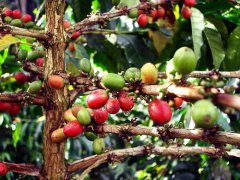
Salvadoran coffee introduces Santa Ana volcano high strength / fruit wine, raisin coffee flavor
Boutique coffee is fresh coffee. Whether it's food or drink, of course, the fresh the better, and so is boutique coffee. High-quality coffee should keep the coffee beans fresh before making, including the preservation of baked beans, and grind the coffee beans into powder before making, which is also to retain its original and best flavor. And the way of making hand-made coffee is such a way to make high-quality coffee.
2016-06-25 El Salvador coffee introduction Anna volcano intensity fruit wine raisins flavor
An introduction to the taste of coffee from Manor Santa Barara, Honduras with a hint of fruit.
In the 4th and 7th century, western Honduras was one of the centers of Mayan civilization. Columbus arrived in the Gulf Islands of Honduras in 1502, which was the beginning of Honduras's contact with Europe. Spanish troops began to conquer Honduras in 1524 and became a Spanish colony in the same year. In 1537-1539, Limpilla led 30,000 Indians in an uprising against Spanish colonial rule. 1539, Honduras
2016-09-01 Light fruity taste Honduras Santa ba Lara manor coffee flavor
El Salvador Coffee, the smallest coffee producer in Central America, introduces Siberi in the Santa Ana volcano region.
It is located in Central America, bordering Guatemala and Honduras in the north, and the Pacific coastline in the west and south. The smallest country in Central America and the most densely populated country in Central America. The land area is 21393 square kilometers, the population is 6.25 million (data 2012), and the population density is 327 people / square kilometers. The economy is dominated by agriculture. In 2011, per capita domestic production
2016-06-20 Central America area small Coffee producing country El Salvador introduction Anna Volcano
Introduction to the coffee flavor and taste production area of Santa Barara Manor in Honduras with rich and balanced taste.
From its independence in 1821 to 1978, Honduras has had 139 coups, making it one of the countries with the most frequent coups in Latin America. Ramon Bilda Morales of the Liberal Party won the election in 1957 as president. Oswald Lopez Arellano, commander of the armed forces, launched a coup instigated by the United States in 1963, overthrew the Morales regime, and was elected general in 1965.
2016-09-02 Taste rich balanced Honduras Santa ba Lara manor coffee flavor mouth
Introduction to the flavor and taste of coffee manor in Honduras the characteristics of Honduran coffee in Santa Barara manor
For coffee production, the geographical conditions of Honduras are no less than those of its neighboring coffee-producing countries such as Guatemala and Nicaragua. There are 280000 hectares of coffee plantations in Honduras, mainly small coffee plantations, most of which are less than 3.5ha. These coffee plantations account for 60% of the total coffee production in Honduras. In the coffee garden, because the planting land belongs to
2016-08-04 Honduras Coffee Manor producing area Flavor Taste introduction Sanba Lara Special
Introduction of coffee flavor and taste characteristics of Santa Barara Manor in Honduras with slight floral aroma
Honduras declared its independence on September 15, 1821, but was incorporated into the first Mexican Empire in 1822. He joined the Central American Union in 1823 and withdrew from the Central American Union in October 1838 to establish a republic. In 1840, with the support of Guatemalan dictator Rafael Carrera, conservative Francisco Ferreira established a dictatorship. After 1853, freedom in Honduras
2016-09-06 With slight fragrant Honduras Santa ba Lara manor coffee flavor mouth
Six main coffee producing areas in Honduras introduce boutique coffee San Juan Xido Santa Barra Chateau
Honduran coffee seems strange to many coffee drinkers. When it comes to coffee production, the geographical conditions of Honduras are no less than those of neighboring coffee-producing countries such as Guatemala and Nicaragua. However, in the past, Honduras was less well-known in the consumer market because it did not have strong support in the handling and transportation of raw beans. But in recent years, the country has become extremely
2016-06-23 Honduras main six coffee producing area introduction boutique San Hu Theodore Saint
Introduction to the strong taste of Colombian Santa Rita Manor Coffee
In 1501, the Spaniard R.de Bastidas first reached the northern coast of Colombia and founded the city of Santa Marta in 1525. In 1533, P.de Eredia established Cartagena. In 1535, G. Simone de Xada led the Spanish colonial army into the interior of Colombia, conquered the Chibucha, established the city of Bogota, and Colombia became a Spanish colony. At the beginning
2016-09-01 Taste strong Columbia Santa Rita Manor Coffee Flavor characteristics boutique
Introduction to Santa Barara Manor in Honduras Coffee Bean Manor
Honduran coffee comes from El Salvador. At first coffee production was in a state of unavoidable heat until the frost in Brazil in 1975. At that time, Brazil was hard hit and coffee production plummeted, while Honduras took the opportunity to take advantage of the surge in coffee production from 500000 bags to 1.8 million bags and was ransacked. It was only after that that coffee production in Honduras really developed. Now, Honduran coffee.
2016-07-22 Honduras coffee beans manors producing areas flavor taste introduction Santa ba lesbians
Coffee producing areas of Santa Ana in the west of El Salvador and Charantan fruit volcanic rocks in the northwest.
El Salvador boutique coffee is concentrated in the top 10 cup tests in recent years, almost all of which come from these two producing areas, with an altitude of about 9-1500 meters above sea level, mainly bourbon (68%), followed by Pacas (29%). Mixed-race Pakamara, Duraai and Kaddura accounted for only 3%. The coffee harvest lasts from November to March. They are all picked by hand.
2016-06-18 El Salvador west Santa Anna northwest Charan Tannan volcanic rocks producing areas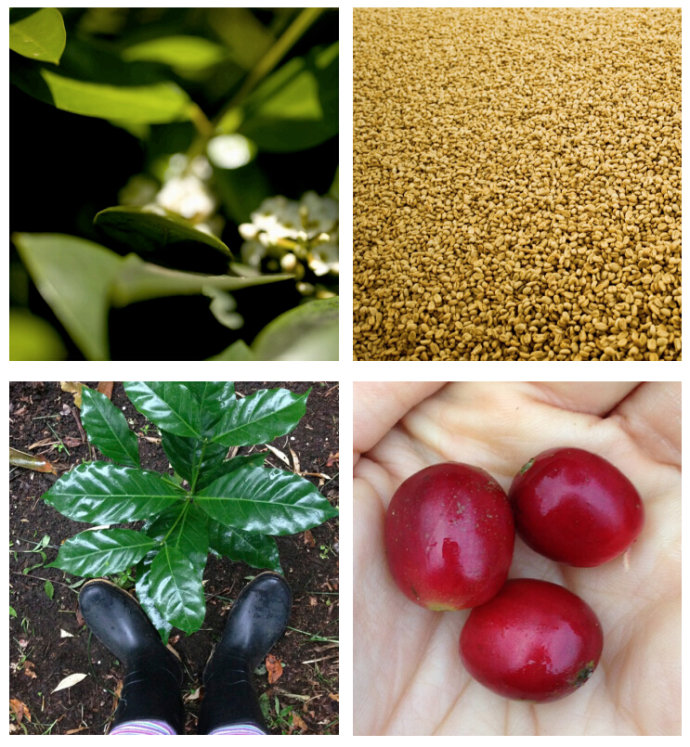
Coffee beans selection course Coffee Bean Brand Guide Columbia Premium Santa Rita Coffee beans
With the deepening of people's contact with coffee, ordinary taste can no longer meet people's needs. As a result, more and more coffee lovers will buy their own beans and go home from the beginning of grinding, blending their favorite coffee flavor step by step. The size of coffee beans
2016-04-19 Coffee beans shopping tutorials brands categories guides Columbia premium Santa Rita
Honduran Coffee Santa Barara Manor with a beautiful floral scent
Medium or shallow acidity, giving the impression of obvious but not strong. Sometimes it has a beautiful floral or fruity aroma (generally speaking, beans produced in different regions and at different elevations have different performances). It is not at all associated with the unrest of the country. Bitterness and obvious sweetness. The overall taste of Honduran coffee is balanced, sour and bitter are not so strong, between the two
2016-07-02 With good fragrant Honduras coffee Santa ba Lara manor medium or
The balanced and pure aftertaste of Columbia Coffee Manor introduces the flavor and taste of Santa Rita Manor.
The northern Sierra Nevada producing area is one of the high quality producing areas in Colombia, and the Santa Marta Snow Mountains is one of the few snowy mountains on the equator, and its caffeine is famous for its distinctive characteristics and high quality standards. The unique climate, abundant precipitation, cloud cover and shade planting make the coffee here full-bodied and nutty.
2016-08-09 Aftertaste balance Pure Columbia Coffee Manor producing area Flavor palate Special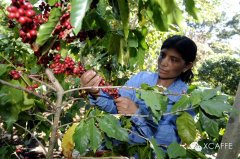
Colombia Santa Rita Coffee Green Bean Washing in Andes Microregion
The history of coffee cultivation in Colombia can be traced back to the Spanish colonial era in the 16th century. There are also many sayings about the history of coffee in Colombia: First, it is said to have been transmitted from the Caribbean island of Haiti via El Salvador in Central America. Second, coffee beans were first introduced into Colombia in 1808 by a priest from the French Antilles via Venezuela. one of
2016-06-20 Colombia Santa Rita Coffee Green Beans Andes Mountains Producing Area Washing Processing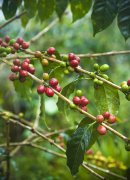
Colombian Santa Rita Coffee Manor Andes Micro-producing area American Coffee
The history of coffee cultivation in Colombia can be traced back to the Spanish colonial era in the 16th century, and there are many theories about the history of coffee in Colombia: one: it is said to come from the island of Haiti in the Caribbean and from El Salvador in Central America. Second: in 1808, a priest introduced coffee beans to Colombia for the first time from the French Antilles via Venezuela. One of them
2016-07-07 Columbia Santa Rita Coffee Manor Andes Mountains producing area American Flavor
Panama Coffee Region Introduction Baru Volcano FST Santa Teresa Manor Carmen Manor
The main coffee producing areas of Chiriqui province are Boquete and Volcan-Candela, among which Boquete is famous in the world of fine coffee. Located between Boquete and Volcan-Candela, Baru Volcano is Panama's highest volcano. Fertile soil, regular precipitation and suitable altitude surrounding the volcano create conditions for the production of high-quality coffee. baanah
2016-06-24 Panama Coffee Region Introduction Baru Volcano FST Santa Resa Trang
Introduction to the volcanic Coffee producing areas of Santa Ana in the West of El Salvador and Charantan Fruit volcanic Rocks in the Northwest
Climate characteristics, savanna climate. The plain area belongs to the tropical rain forest climate and the mountain area belongs to the subtropical forest climate. The average annual temperature is 25-28 ℃. The annual precipitation is more than 1800 mm in mountain areas and about 1000 mm in coastal areas. The rainy season is from May to October. Don't underestimate El Salvador's coffee production. In its heyday, it was the world's fourth largest coffee producer, but after decades of civil war, it was almost
2016-06-23 El Salvador west Santa Anna northwest Charan Tannan volcanic rocks coffee